
Author: Localists
Published: 25.02.26
Updated: 25.02.26
Flat roofs are a common feature on both residential and commercial buildings, appreciated for their sleek appearance and practical use of space. However, they often raise one big question for owners: how long will they actually last? Unlike pitched roofs, flat roofs require special attention because water drainage and material wear can significantly impact their lifespan.
The longevity of a flat roof isn’t fixed; it depends on the materials used, the quality of installation, and how well it’s maintained over time. Some roofs can last decades with minimal issues, while others may start showing signs of wear much sooner.
In this article, we’ll cover the different types of flat roofs, what affects their longevity, typical lifespans, and the warning signs to watch for. Plus, we’ll share simple tips to help your roof last longer.
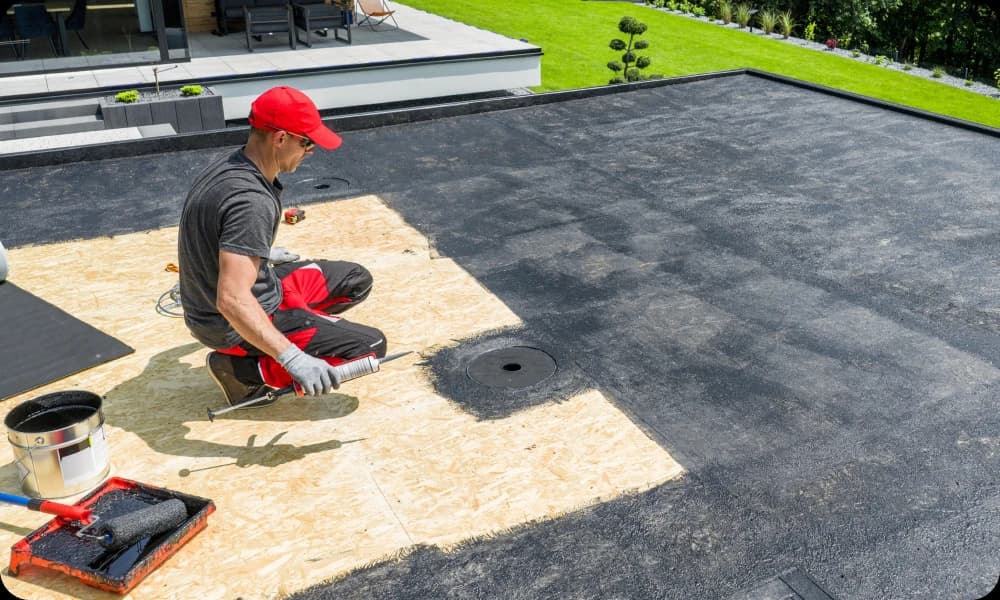
Not all flat roofs are created equal. Different materials come with different lifespans, and knowing this information is crucial when planning a new roof or assessing an existing one. Understanding how long a roof is likely to last helps you make informed decisions for both your property and your budget.
There are specific signs that indicate a flat roof may need repair or replacement. Being aware of these signs early can prevent costly damage and extend the life of your roof. They include:
Planning ahead is also essential. By considering the type of materials, installation quality, and potential costs upfront, you can make choices that save both time and money in the long run.
Neglecting a flat roof can significantly reduce its lifespan. Regular inspections and maintenance are key to ensuring your roof remains durable and reliable for many years to come. A little care now can avoid major problems later.
Need local roof installers near you who can help with quality roof installations built to last? Get started now at Localists
Flat roofs can be made from different materials, and each one comes with its own benefits, lifespan, and care needs. Knowing your options makes it easier to choose the right roof for your home or building.
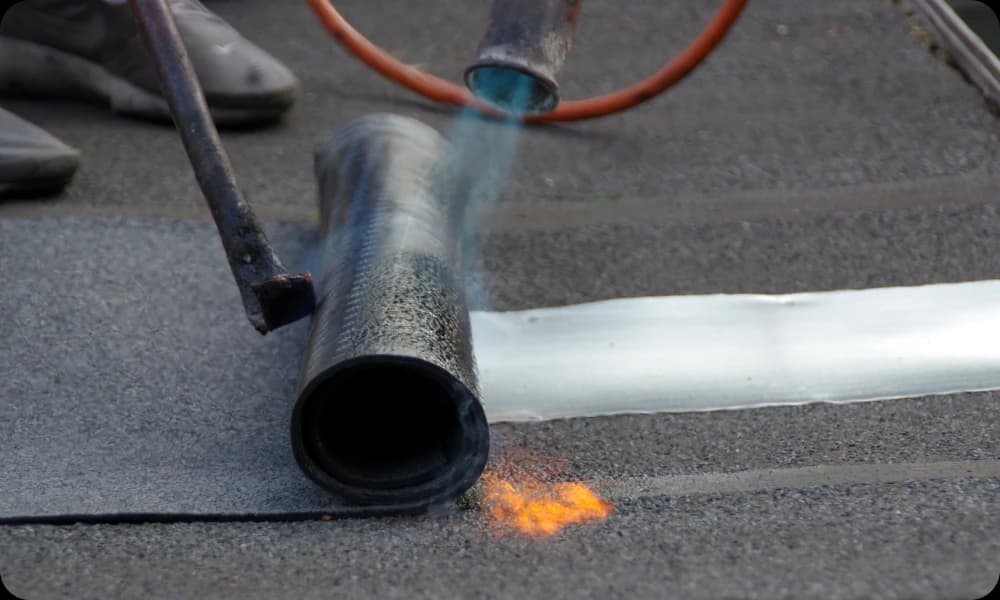
Modified bitumen roof (Torch on felt roof)
Modified bitumen roofs are made from single sheets of material with a mineral surface for durability. They can be installed in different ways. Torch-down systems are heated as they are laid, while peel-and-stick versions are much simpler to put down and can even be done as a DIY project.
The light-coloured surface reflects sunlight, which can help keep your building cooler. With proper maintenance, these roofs can last 20 years or more.

Rubber membrane roof (EPDM)
EPDM is a type of rubber often used for flat roofs. It is strong, flexible, and designed to resist damage from the sun.
Rubber roofs can be fastened with nails, weighed down with stones, or glued down. They are lightweight, tough against scrapes and tears, and easy to repair if leaks appear. With good care, EPDM roofs can last 30 to 50 years, making them one of the longest-lasting options.
The material you choose will affect how long your roof lasts and how much maintenance it needs. Picking the right roof for your building and the local climate helps it stay in good shape for many years.
Built-up roof (BUR)
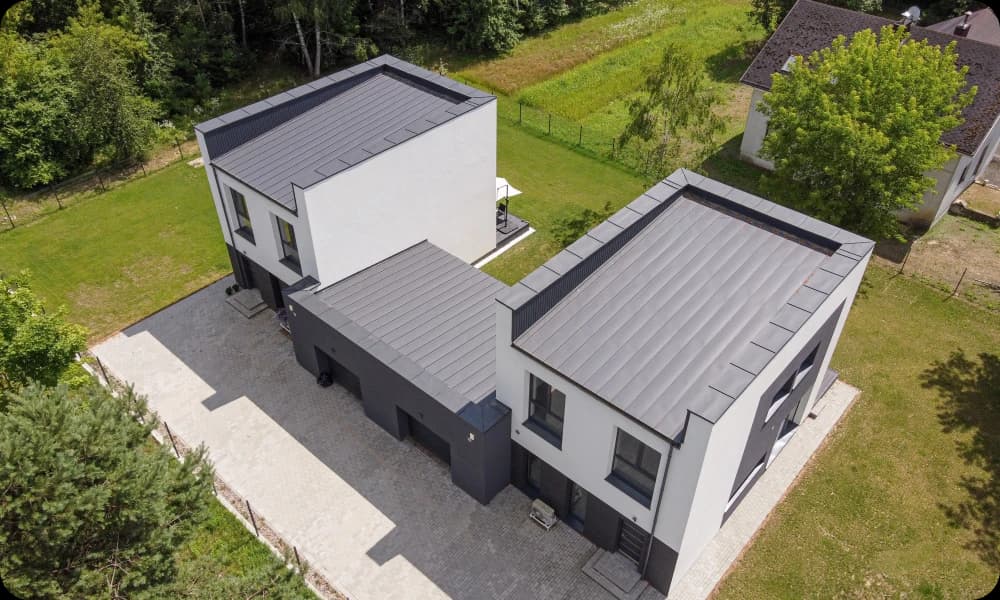
Built-up roofs are one of the oldest types of flat roofing. But they are rarely used these days. They are made by layering sheets of waterproof material, often with hot tar in between, and topped with gravel or smooth stones. Modern versions sometimes include fibreglass for extra strength.
These roofs are usually affordable and fire-resistant. With the right care, they can last around 20 to 30 years. Their layered design gives solid protection against the weather and makes them a reliable choice.
Several things can influence how long a flat roof will stay in good shape. Understanding these factors can help you take better care of your roof and avoid unexpected problems.
Installation Quality
The quality of installation is one of the most important factors in a flat roof’s lifespan. Even high-quality materials can fail prematurely if they are not installed correctly. Poor workmanship can lead to inadequate drainage, weak seams, trapped moisture, and early leaks. Choosing experienced professionals and ensuring proper installation from the start can significantly extend the life of your roof.
Roofing Materials
Different materials need different levels of care. Knowing what your roof is made from and how to maintain it will help it last as long as possible.
Ventilation and Insulation
Proper ventilation and insulation are important for your whole home. Without them, heat and moisture can get trapped under the roof, weakening it over time and causing damage.
Free quotes. Zero obligation.
Free quotes. Zero obligation.
Weather Conditions
Sun, wind, and rain all play a role. Too much sun can cause cracks and make materials brittle. Strong winds can lift or separate parts of the roof. Heavy rain can create puddles that lead to leaks and water damage if not properly drained.
Trees Nearby
If there are trees close to your roof, it’s important to keep an eye on them. Falling leaves and branches can block drains or damage the surface. Trees can also give pests an easy way onto your roof.
Maintenance
Regular check-ups make a huge difference. Small issues spotted early are much easier and cheaper to fix than big problems later on. Keeping up with cleaning, inspections, and minor repairs helps extend your roof’s life.
Age
Even with the best care, roofs do get older and more fragile. Knowing the typical lifespan of your flat roof helps you plan ahead for repairs or replacement before major issues occur.

Regular roof inspections are essential to keep your flat roof in good condition. A proper inspection looks at the roof from both the inside and the outside to spot any potential issues early.
Start from the ground by checking the overall condition of the roof surface and the soffits, which cover the edges of the roof. Then, if it’s safe, use a ladder to take a closer look. Check for any signs of water running down the edges or pooling on the surface.
It’s also important to inspect the gutters and downspouts. Make sure they are free of debris and standing water, properly attached, and functioning as they should.
Next, examine the roofing material itself. If possible, get onto the roof to check for cracks, blisters, or any other signs of wear. Don’t forget to inspect vent pipes, roof vents, and any installations on the roof. All of these need to be sealed correctly to prevent leaks and remain in good working order.
Flashing, chimneys, and skylights also need careful attention. Make sure they are intact, properly sealed, and not causing any water issues. Finally, check the attic or ceiling beneath the roof for any water stains or signs of damage, as these can indicate leaks.
Any problems found during an inspection should be addressed as soon as possible. Prompt maintenance and repair are key to ensuring your flat roof lasts as long as it can.
Look out for pooling water, cracks or splits in the roof surface, blisters or bubbles in the material, and any leaks inside your property. Regular inspections can help catch these problems early before they get worse.
It depends on the material and maintenance. Built-up roofs usually last 20 to 30 years, modified bitumen roofs around 20 years, and rubber membrane roofs can last 40 to 50 years with proper care.
Flat roofs in the UK are generally built to meet British Standards for waterproofing and durability, such as BS 8217 for bitumen membranes and BS EN 13956 for single-ply membranes. Following these standards helps ensure safety, longevity, and performance.
Reducing a tree’s height (also called crown reduction) can cost anywhere between £150 and £500, depending on the size of the tree, how much needs to be reduced, and where you live. For example, reducing a very tall oak will cost more than trimming back a medium-sized birch. Tree surgeons usually visit first to assess and give a tailored quote.
Keep it clean and free of debris, inspect it regularly, check for cracks or damage after storms, and make repairs promptly. Proper ventilation and insulation also help prevent moisture buildup that can weaken the roof.
Free quotes. Zero obligation.
Free quotes. Zero obligation.